After a quarter-century of negotiations, the European Union has finalized a free trade agreement with the South American Mercosur bloc, which includes Brazil, Argentina, Paraguay, and Uruguay.
The landmark deal, hailed as a major achievement in global trade, now awaits approval from the European Parliament in the coming months.
Brazilian President Luiz Inacio Lula da Silva described the agreement as a "historic day for multilateralism" after officials from the four South American nations completed the final arrangements in Brussels.
The deal arrives amid global trade tensions, including tariffs imposed by former US President Donald Trump and recent military involvement in Venezuela. The EU has framed the pact as a "win-win," offering new opportunities for businesses and consumers on both sides.
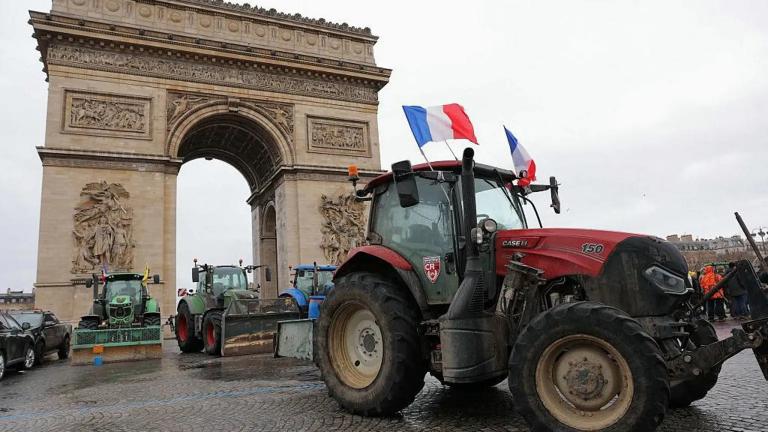
However, the agreement has faced opposition from European farmers, who fear that cheaper imports of beef, poultry, and sugar could threaten local production.
Judy Peeters, representing a Belgian young farmers’ group, told AFP during a protest on a motorway south of Brussels, "There is a lot of pain. There is a lot of anger."
EU Commission President Ursula von der Leyen said the Commission had addressed farmers’ concerns by including "robust safeguards" to protect their livelihoods within the agreement. She added that the deal would benefit both companies and consumers while strengthening economic and political relations between the two regions.
The European Commission also highlighted environmental and resource benefits, noting commitments to halt deforestation and maintain a reliable supply of raw materials essential for the green energy transition.
The deal is expected to save European companies around €4bn ($4.7bn, £3.5bn) annually in export duties.
South America’s rich deposits of gold, copper, and critical minerals for renewable energy and batteries were cited as an added advantage. Cecilia Malmström, former European commissioner for trade, emphasized that parts of the deal could be suspended if Mercosur countries fail to meet environmental commitments.
"[This agreement] is also a very strong geopolitical signal today to other powers who do not appreciate rule-based trade in the same way as we do," she said.
On Friday, most EU member states confirmed their support for the agreement, though final ratification depends on the European Parliament. Jack Allen-Reynolds, deputy chief Euro-zone economist at Capital Economics, noted that the parliamentary vote was expected to be close.
He also pointed out that while the deal provides economic benefits, they are modest.
According to the European Commission, it would raise EU economic output by just 0.05% and, since it will be phased in over 15 years, the full impact may not be felt until 2040.